
“I thought I was going mad.” It’s something many women say when they look back on perimenopause. Not because the symptoms are rare, but because nobody told them what to expect, so they didn’t join the dots.
This isn’t a checklist to diagnose yourself with. It’s a starting point for noticing, and for a better conversation with your GP.
What is perimenopause?
Menopause is when your periods stop because your hormone levels fall. You’ve reached it once you haven’t had a period for 12 months in a row. Perimenopause is the stretch before that, when your hormones are changing and symptoms can begin, often while you’re still having periods.
The NHS says one of the first signs is usually a change to your periods: they might come more or less often, and be heavier or lighter than you’re used to. It also says symptoms usually last around 7 to 9 years, sometimes longer, and can change over time. Everyone’s experience is different. Some women barely notice it; for others it has a big impact on daily life.
The signs nobody told us about.
These are all listed by the NHS as possible symptoms. The handwritten notes are examples of how each one can feel.
🗓Periods changing
Closer together, further apart, heavier or lighter. Often the very first sign.
“I couldn’t predict it any more”🌙Sleep and night sweats
Trouble sleeping, sometimes made worse by night sweats.
“wide awake at 3am, every night”💭Mood and anxiety
Mood swings, low mood, anxiety and irritability, often tangled up with poor sleep.
“I didn’t recognise myself”🌫Brain fog
Memory problems and difficulty concentrating.
“walked into a room, no idea why”🦴Aches and joints
Muscle aches and joint pains that seem to come from nowhere.
“I thought I’d overdone the gym”✨Skin, hair and mouth
Dry, itchy skin, thinning hair, and even sensitive teeth or sore gums.
“my dentist asked first!”💧Bladder and vagina
Needing to pee more often, more UTIs or UTI-like symptoms, and vaginal dryness that can make sex painful.
“nobody talks about this bit”💓Headaches and palpitations
Headaches or migraines that are worse than usual, and palpitations, a racing or fluttering heart.
“it really scared me”Other changes the NHS lists include hot flushes, weight gain around the stomach, a lower sex drive and changes in bone density over time.
You’re not going mad. You might just be changing.
Why tracking helps.
Because perimenopause symptoms come and go, and can look like stress, burnout or “just getting older”, they’re easy to dismiss, by us and by others. Noting your periods, sleep, mood and any new symptoms for a few months builds a clear picture, and makes it much easier to explain to a GP what’s changed.
Our guide How to track your menstrual cycle shows you a simple way to start, and there’s advice on getting the most from your appointment in How to talk to your GP about period pain.
- you think you have perimenopause or menopause symptoms and want to know your options
- you have palpitations
- you still have periods and you’re bleeding more heavily than before
- you’ve had no period for 12 months or more and then have any vaginal bleeding
- you have any bleeding after menopause, even if it’s just once, very small, or pink or brown
You’re not on your own.
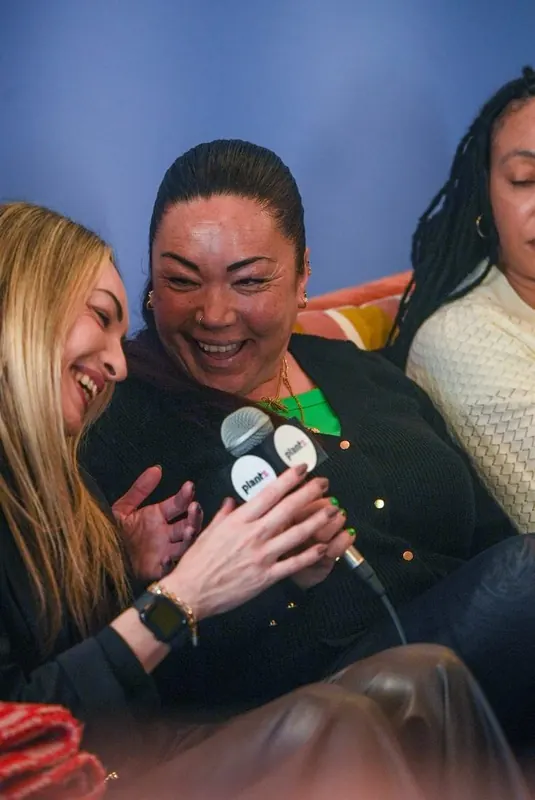
Perimenopause can feel lonely, especially if you’re the first of your friends to go through it. Talking helps. So does hearing from women a few steps ahead of you, and from experts who can explain what’s actually happening in your body and what your options are.
🩷We’re a community, not a clinic. Speak to your GP or specialist.
Sources
- Symptoms of menopause and perimenopause, NHS.
- Menopause, NHS.
About this read
Written by The Women’s Circle team with AI support, then checked and approved by Sophie East, Founder of The Women’s Circle. This is general information, not medical advice. How we write.